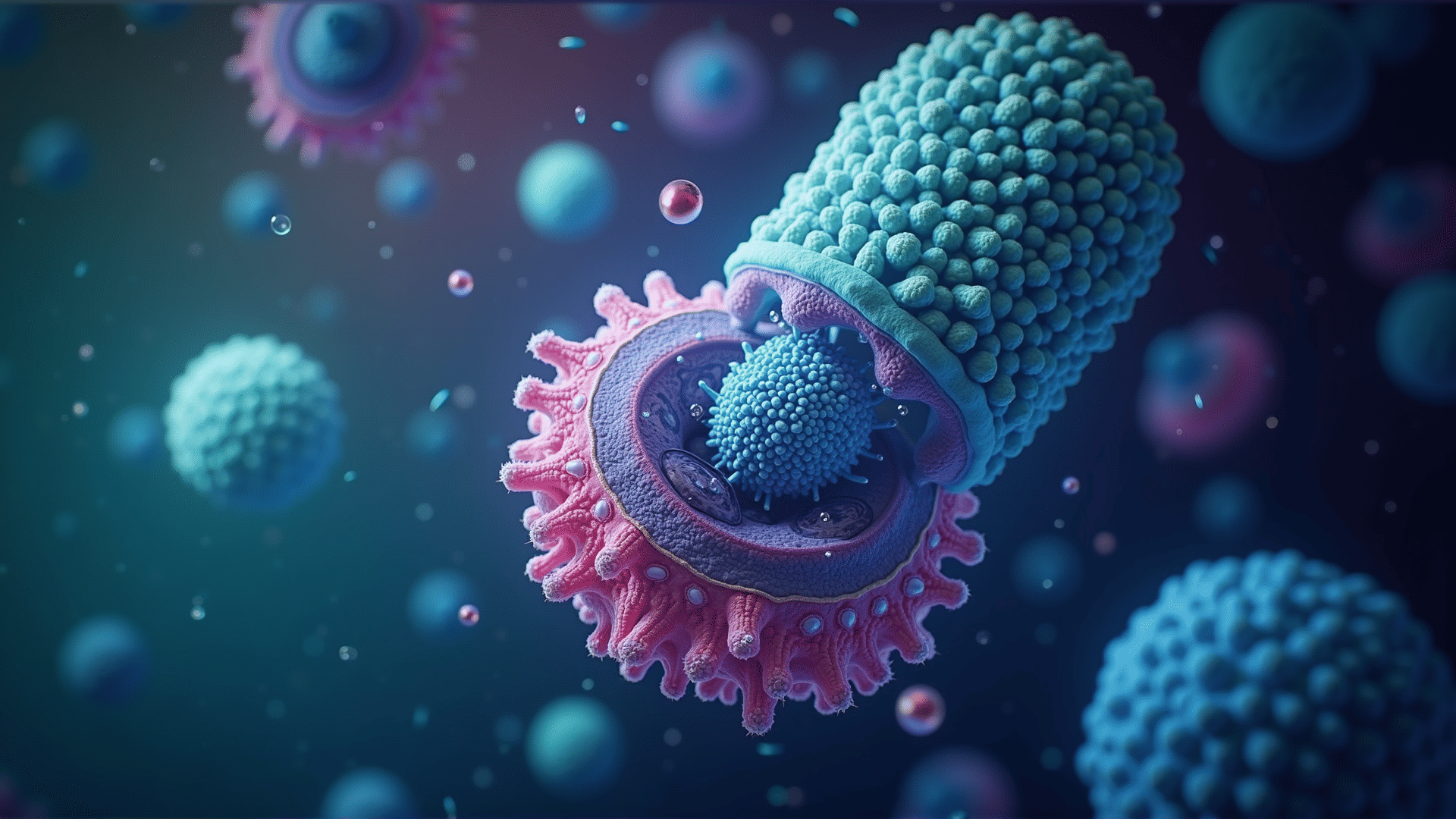
Biotechnology, a field at the intersection of biology and technology, continues to revolutionize industries, particularly healthcare and agriculture, with groundbreaking advancements. These innovations are driven by expert scientists who are harnessing the power of biological systems to create sustainable solutions to some of the most pressing challenges we face today.
In the realm of healthcare, biotechnology's profound impact can be seen in the development of personalized medicine. Through genetic sequencing and bioinformatics, scientists are now able to tailor treatments to individual patients, increasing the efficacy of therapies and reducing adverse reactions. This shift toward personalized healthcare is made possible by CRISPR-Cas9 and other gene-editing technologies, which allow for precise modifications to DNA. These innovations pave the way for curing genetic disorders once thought untreatable.
Moreover, advancements in biopharmaceuticals have led to the creation of more effective vaccines and therapeutics. The rapid development of vaccines during the COVID-19 pandemic is a testament to the power of mRNA technology, a product of biotechnological research. This breakthrough not only provided a pathway out of a global health crisis but also set the stage for tackling other diseases such as HIV and various cancers.
In agriculture, biotechnology is driving changes that promise to enhance food security and sustainability. Genetically modified organisms (GMOs) have long been a topic of debate, but their ability to increase crop yields and provide resistance to pests and environmental stresses cannot be ignored. Recent developments in gene-editing technologies, such as CRISPR, are further refining this process, enabling the creation of crops that are not only more resilient but also more nutritious.
Biotech innovations are also key in addressing climate change through the development of biofuels and reducing agricultural dependency on fossil fuels. By engineering microbes that efficiently convert biomass into renewable energy sources, scientists are creating viable alternatives that could mitigate environmental impact.
Furthermore, the integration of biocontrol methods in agriculture offers a more ecologically balanced approach to pest management. By utilizing beneficial insects, bacteria, and fungi, these methods reduce the reliance on chemical pesticides, promoting a healthier ecosystem and reducing harm to non-target organisms.
The continuous advancements in biotechnology also extend to synthetic biology, where scientists design and construct new biological parts, devices, and systems. This burgeoning field holds promise for creating sustainable materials, producing cleaner chemicals, and further revolutionizing medicine and agriculture.
As we stand on the verge of a biotechnological revolution, the exploration and application of innovative solutions remain crucial. The collaboration across scientific disciplines and the integration of AI and machine learning into biotech research further accelerate discovery and refinement.
In summary, the breakthroughs in biotechnology led by expert scientists are driving transformative change in healthcare and agriculture. With continued investment and ethical consideration, these advancements offer the potential to improve quality of life, enhance food security, and address some of the most daunting global challenges of our time.