The quest for sustainable energy solutions has taken center stage in recent years, driven by the urgent need to combat climate change and transition away from fossil fuels. As we explore the latest advancements in renewable energy technologies, we uncover significant innovations that are paving the way to a more sustainable future.
Solar Power Innovations
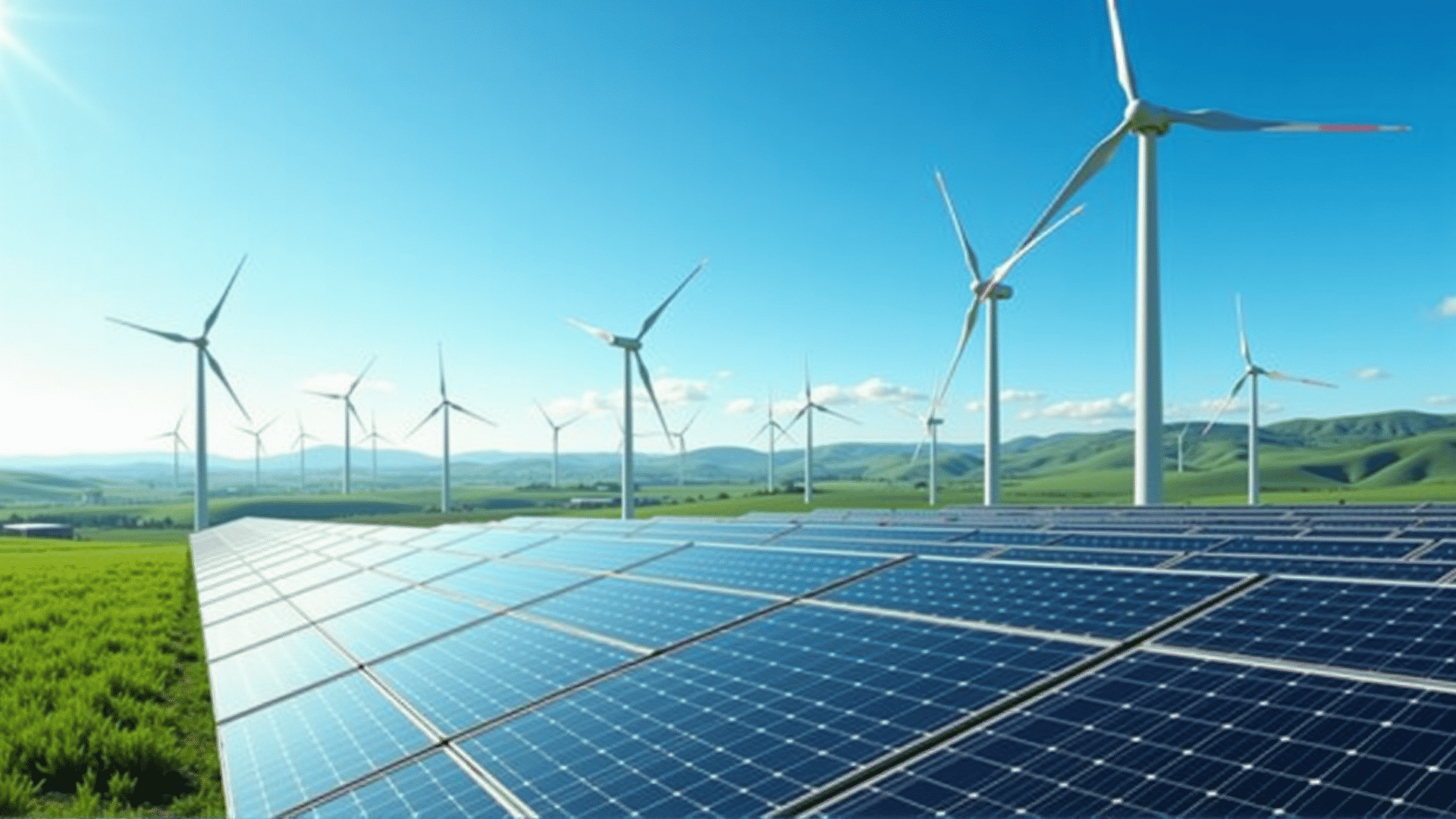
Solar power continues to lead the charge in renewable energy technology advancements. One of the most promising developments is the advent of bifacial solar panels. Unlike traditional panels that capture sunlight from one side, bifacial panels can absorb solar energy from both sides, increasing their efficiency by up to 30%. Additionally, perovskite solar cells are rapidly gaining attention. These cells are lightweight, flexible, and cheaper to produce, offering potential for high efficiency and broader applications, such as on curved surfaces and portable devices.
Wind Energy Evolution
Wind energy is experiencing its own technological renaissance with the introduction of larger, more efficient turbines. The shift towards offshore wind farms is particularly noteworthy. Offshore turbines are now capable of harnessing stronger and more consistent wind patterns, leading to significantly higher energy outputs. Moreover, advancements in turbine blade design, including the use of carbon fiber materials, are enhancing efficiency and reducing costs. Floating wind farms are also emerging as a viable option, allowing for installations in deeper waters where traditional fixed turbines cannot reach.
Hydroelectric Power Redefinition
Hydroelectric power, often overlooked in discussions of renewable energy advancements, is undergoing significant innovation. Small and micro-hydro systems have gained traction, providing communities with localized and low-impact energy solutions. Additionally, the development of hydrokinetic turbines, which generate power from the flow of water in rivers and oceans without the need for dams, is an exciting breakthrough. These systems offer environmentally friendly solutions capable of generating electricity in remote and aquatic locations.
Biomass and Bioenergy Advancements
Bioenergy technologies are becoming increasingly sophisticated, focusing on sustainable and efficient production methods. The use of biomass, including agricultural residues and waste, is being optimized through advanced chemical and biological processes to produce higher yields of biofuels. Algae-based biofuels are another area of significant interest, given their rapid growth rates and ability to be cultivated on non-arable land. These biofuels promise a lower carbon footprint and are a potential game-changer for the transportation sector.
Energy Storage and Grid Integration
The expansion of renewable energy sources brings with it the challenge of energy storage and grid integration. Breakthroughs in battery technology are key to overcoming these challenges. Solid-state batteries are emerging as a potential replacement for lithium-ion batteries, offering higher energy density, faster charging times, and improved safety. Furthermore, advancements in grid technology, such as smart grids and distributed energy resources, are enabling the efficient integration of renewable energy into the existing infrastructure, ensuring reliable and consistent energy supply.
Hydrogen Energy's Emerging Role
Hydrogen energy is increasingly seen as a critical component of a sustainable energy future. Green hydrogen, produced through electrolysis powered by renewable energy, offers a clean alternative to fossil fuels. As research and development in this field progress, hydrogen's potential as a versatile energy carrier becomes more promising. It can be used for power generation, transportation, and industrial applications, and efforts are underway to reduce production costs and enhance storage capabilities.
Future Outlook
The trajectory of renewable energy technologies is one of exciting potential and opportunity. As these innovations continue to mature and scale, they bring us closer to achieving a sustainable and resilient energy future. By investing in and supporting these advancements, societies around the world can mitigate the impacts of climate change and transition towards a cleaner, more sustainable energy paradigm that benefits both the environment and future generations.